

A 19-year-old pizza delivery driver, sewing gear in his parents’ garage, ended up running one of the fastest-growing fashion brands Britain has ever produced. No shop windows. No big-name ad agency. No celebrity campaign on a London billboard. He had a laptop, a screen-printer, a sewing machine and a pile of YouTube videos that he watched like a student watching lectures. That is the story of how Gymshark grew to £300M, and honestly, it is messier and more interesting than the clean “founder genius” version you usually read.
Here is the thing most blog posts skip. Gymshark did not win because it “did influencer marketing.” Thousands of brands send free hoodies to people with followers. Almost all of them get nothing back. Gymshark won because Ben Francis was a customer of his own brand, he knew the people he was sending product to, and he treated them like partners instead of ad space. The money came later. The trust came first.
This guide walks through the whole thing in plain language: where the first sales came from, how the early athletes were picked, what the social channels actually posted, what went wrong on Black Friday, how the investment deal happened, and what you can copy if your budget is closer to £300 than £300 million. You will see real numbers, named people and the mistakes that rarely make it into the highlight reel.
If you are a student, a small business owner or a marketer trying to understand why some brands explode on social media while others post into the void, this breakdown is for you. Read it slowly. Some of the smaller details are where the real lessons hide.
What You Will Learn in This Guide
- How Gymshark went from a garage side project to a business that crossed the £300M revenue mark
- Which influencers Gymshark worked with first, and why those early picks mattered so much
- How the brand used Instagram, YouTube and TikTok differently instead of copying one post everywhere
- Why Gymshark runs only a couple of sales per year, and what that does to customer behaviour
- What the Black Friday website crash taught the team about trust and infrastructure
- How the General Atlantic investment changed the company, and what it did not change
- A practical 90-day plan to copy the same ideas with a tiny budget
- The mistakes small brands make when they try to repeat the Gymshark playbook
TL;DR
- Gymshark started in 2012, sold out its early stock through bodybuilding YouTubers, and cleared £260.7M in revenue in the year to July 2020.
- The early influencers were people Ben Francis already followed as a fan, not people chosen from a spreadsheet.
- Athletes got product, then money, then a real seat at the table, including feedback on products.
- Social media was used as a community, with Instagram, YouTube and TikTok each doing a different job.
- Two big sales a year created more urgency than constant discounting would have.
- The business grew faster than its website once, which cost money, and the founder dealt with it openly.
How Gymshark Grew to £300M: The Real Story Behind the Numbers
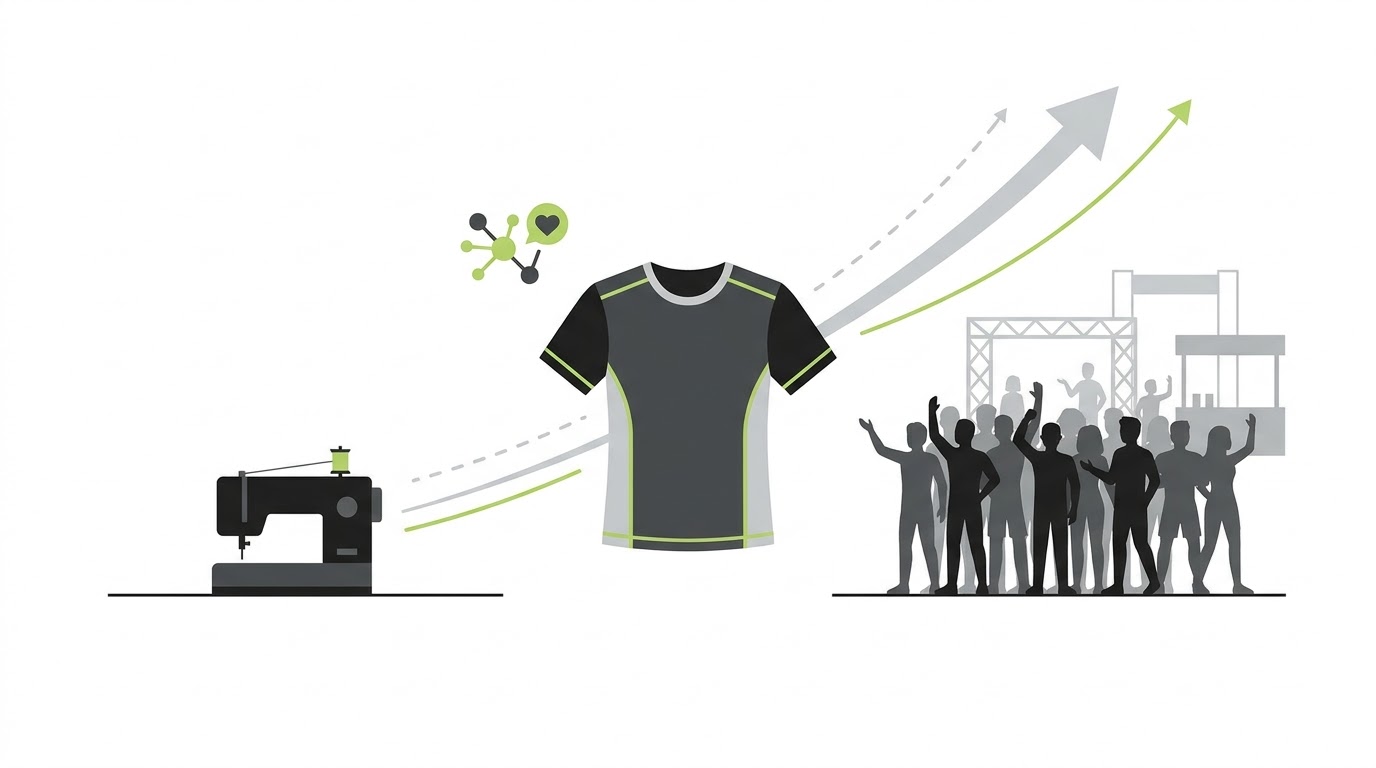
Gymshark’s growth was fast, but it was not instant, and it was not one lucky viral moment. It was about eight years of steady compounding, with the curve getting steep around 2016 and then going almost vertical during the 2020 lockdowns. This section lays out the timeline and the numbers so you know exactly what “£300M” means here.
Where Gymshark Actually Started
Gymshark began in 2012. Ben Francis, then 19 and studying at Aston University in Birmingham, was delivering pizzas for Pizza Hut for around £5 an hour. His school friend Lewis Morgan joined him as co-founder. The first product was not clothing at all. It was bodybuilding supplements, drop-shipped through a website, meaning the pair never held stock themselves.
That detail matters. Ben was already inside the bodybuilding world, lifting every day, watching the same YouTubers the customers were watching. So when supplements turned out to be a thin-margin business, he noticed something else: there was almost no good gym clothing in the UK. The gear he wanted did not exist, so he started making it, first in the family garage with a sewing machine and a screen-printer. He was solving his own problem.
The BodyPower Sell-Out That Changed Everything
In 2013, Gymshark took a stand at BodyPower at the NEC in Birmingham, a big fitness expo. Gymshark’s own telling of the story says the doors opened at 10am on Friday morning and the stand was swarmed within seconds, with fans, athletes and staff packed in. For a brand that small, being mobbed was a shock.
The early athletes helped. Lex Griffin, Chris Lavado and others turned up, and their fans followed. Online, there was a similar moment around then: a product drop that reportedly sold out in about 30 minutes, which Ben has described as more than the business had sold in its whole history up to that point. That is the real spark. Not a campaign. A crowd, made of people who already trusted the faces they were buying from.
The Revenue Numbers, Year by Year
Let’s do the numbers properly. The first year brought roughly £250,000 in revenue, which was enough that Ben and Lewis both left university. By the year to July 2019, revenue was about £176M with pre-tax profit around £18M. By the year to July 2020, it jumped to £260.7M with pre-tax profit above £30M.
Then 2021 was the big one: revenue climbed past £400M (different outlets report slightly different figures, from just under £402M to £437.6M). By July 2023, revenue reached £556.2M. So the “£300M” line sits between the £260.7M year and the £400M-plus year. The brand blew through it during the pandemic boom rather than stopping on it.
Why the General Atlantic Deal Matters to the Story
In August 2020, US investment firm General Atlantic bought a 21% stake in Gymshark, valuing the company at more than £1 billion. Ben Francis kept control, holding around 70% afterward. Lewis Morgan sold his shares as part of the arrangement, reportedly for roughly $130M.
The deal does not explain the growth, though. It happened after most of the social-media-driven growth was already done. Investors do not write cheques like that for a brand running on hope. They wrote it because the numbers, the customer base and the pull from the community were already proven. The money paid for global expansion, not for the original spark.
Why £300M Is a Useful Number to Study
People get hung up on whether the exact milestone is £260M or £300M or £400M. Skip that. What matters is the shape of the growth. Slow, then faster, then faster again, with the same method repeated across more people and more countries each year.
For anyone studying the case, the useful question is not “how big did it get?” but “what was repeated every single day while it was small?” Answer: the brand kept finding people who already had an audience, kept giving them product and attention, and kept putting that content in front of fans who trusted those faces. Everything else is detail built on top.
The Influencer Marketing Strategy Behind How Gymshark Grew to £300M
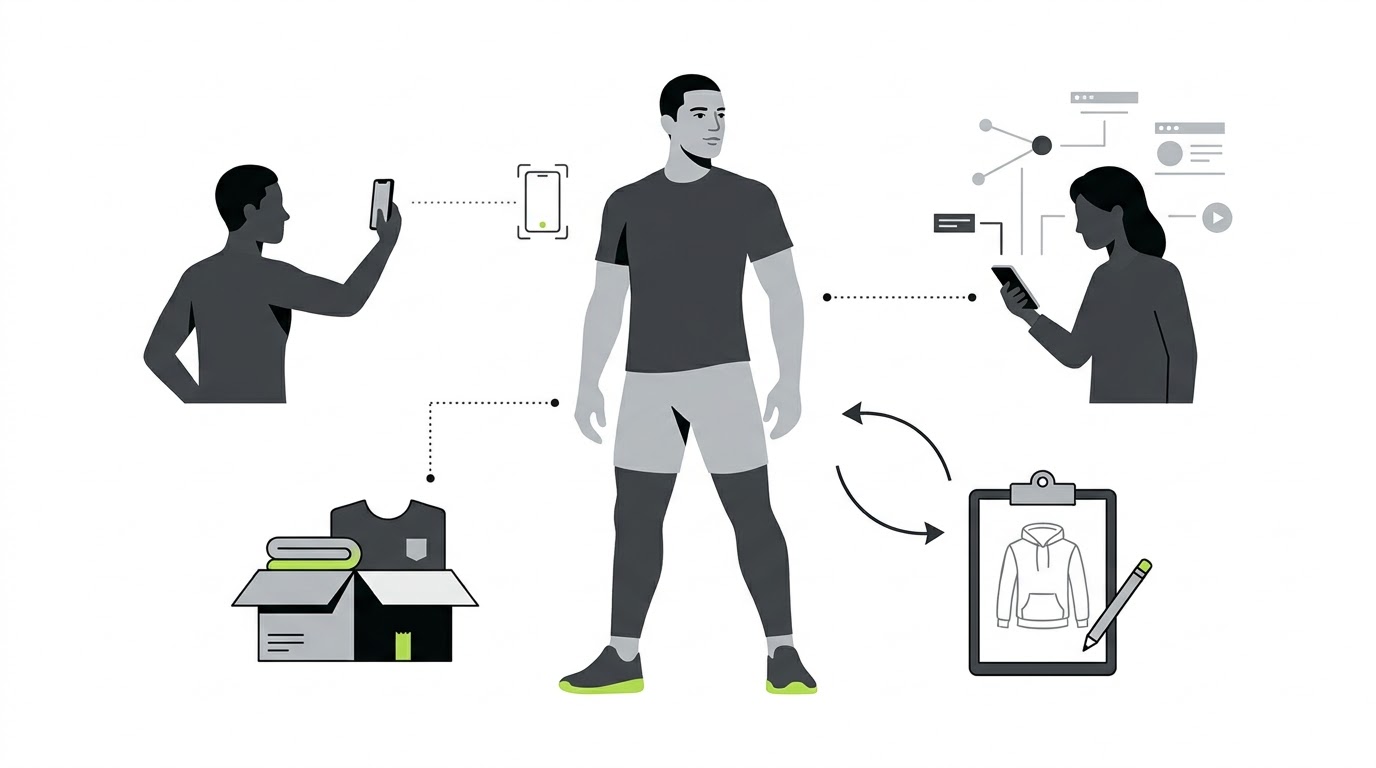
Gymshark is often called one of the first brands to use influencer marketing properly. That is partly true, but it hides the interesting bit. The strategy was not “pay people to post.” It was “become part of a community, then give that community’s heroes a reason to wear the product.” This section breaks down how it worked.
Choosing Fans Before Choosing Followers
Ben Francis did not run a search for “fitness influencers with high engagement.” He went straight to the people he already watched on YouTube. Lex Griffin, a bodybuilder with over a million followers back then, and Nikki Blackketter, a fitness creator with hundreds of thousands, were among the earliest partners. These were people the founder genuinely admired.
That changes the whole dynamic. Fans can tell when a brand is faking interest, and creators can tell too. When Ben sent a message, it was a real fan reaching out, not an agency with a template. The conversation started warm, so creators actually wore the gear, tagged the brand and mentioned it in videos without feeling like they were reading from a script.
Free Product First, Money Later
The early deal was simple: product in exchange for visibility. Gymshark sent clothing to creators, and the creators wore it in videos and posts. Some early partners reportedly agreed to wear Gymshark gear in their content. There was no giant budget. The early budget was stock and shipping.
Here is the mistake most small brands make. They treat free product as a one-off transaction. Gymshark treated it as the first date. If someone wore the clothes, posted honestly and got real reactions, the relationship grew into a proper athlete contract, sometimes with salary, travel, events and input on design. The ladder was clear, and everyone knew where it went, which kept the good people around.
Turning Athletes Into a Design Team
One underrated detail: when Gymshark wanted to launch women’s clothing, the all-male founding team did not guess. They worked with Nikki Blackketter and asked for her input on fit, fabric and what actually bothered women mid-workout. That feedback shaped the range.
This did two things at once. The product got better because the people wearing it helped design it. And when Nikki promoted the line, she was not reading an ad. She was talking about something she had a hand in. Fans can feel that difference. If you only ever use creators to post, you are wasting the most valuable thing they have, which is their opinion about what works.
Invite-Only Ambassadors and Why Scarcity Helped
Gymshark’s athlete programme is invite-only. You cannot just apply to be a Gymshark athlete. The brand picks people, and that selectivity turns the badge into something creators want. Wearing the logo says the brand chose you, which matters to someone building a personal brand.
There is a trade-off, and it is worth being honest about it. Invite-only means a lot of talented people never get in, and some of them go to competitors. But for a brand protecting its image, that is a fair price. A roster of hundreds of random posters would look like an affiliate farm. A curated roster looks like a team. By 2020 the brand reportedly had well over a hundred athletes and creators associated with it.
Mixing Mega Names With Micro Creators
The famous names get the headlines, but the engine was the layers underneath. Gymshark worked with big YouTubers and later with celebrities, boxers and footballers, but also with huge numbers of smaller creators using discount codes and affiliate links. Those links sit in Instagram bios and YouTube descriptions all over the fitness world.
Interesting data point from early 2022: the main @gymshark Instagram page had an engagement rate around 0.35%, while one of its athletes, David Laid, was around 9.83%. That gap tells you something. People trust people more than logos. The brand account built awareness, but the creators built the actual feeling that made people buy. Smart brands plan for that split instead of fighting it.
Social Media Strategy That Explains How Gymshark Grew to £300M
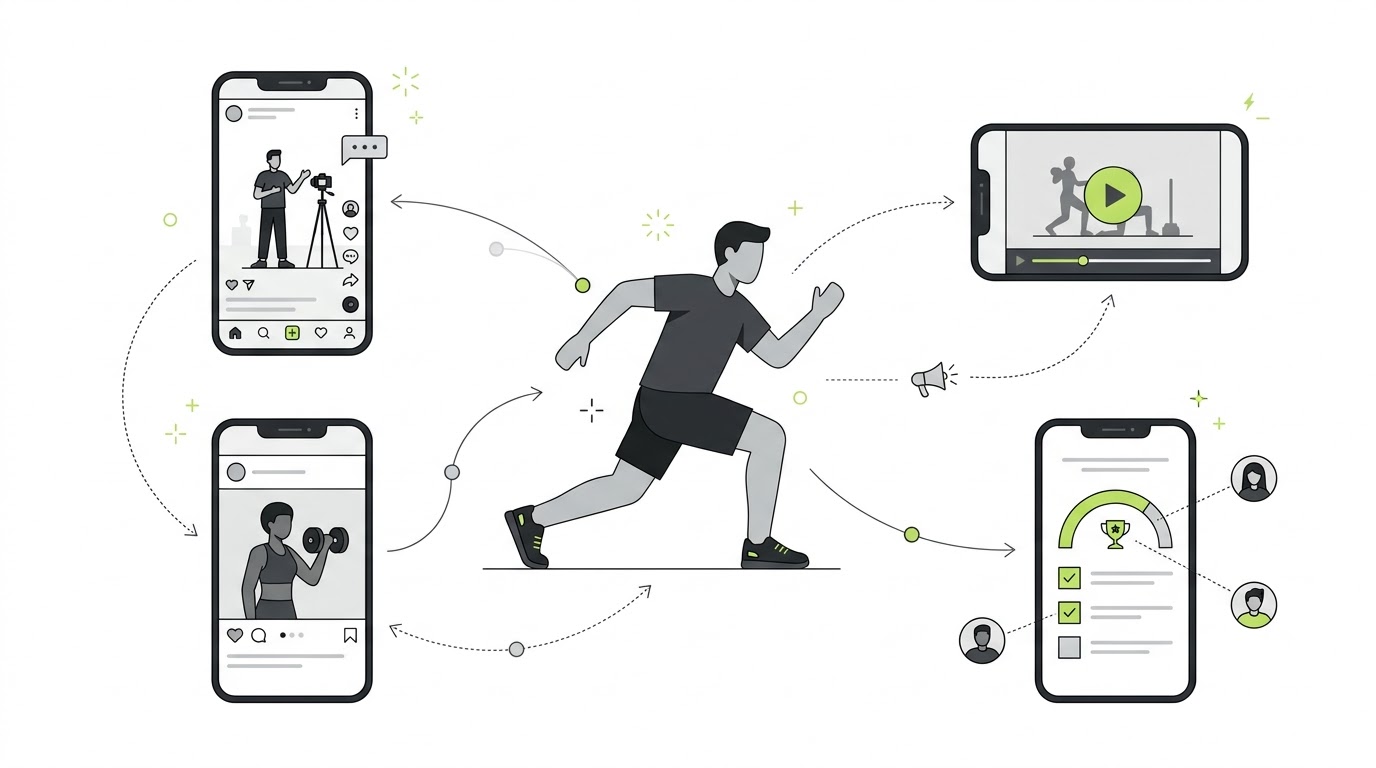
Influencers brought the first wave of customers, but the brand’s own channels kept them. Gymshark treated each platform like a different room in the same house. This section looks at what it did on Instagram, YouTube, TikTok and in challenges, plus how paid ads fit in.
Instagram as the Shop Window
Instagram became the visual home of the brand, with millions of followers across the main account. Photos showed real people lifting in the clothes, with fit and fabric visible. Not catalogue-clean studio shots, but gym floors, sweaty mirrors and training sessions.
The posting rhythm leaned on the athletes too. When an athlete posted a workout, the brand reshared it, and the audience overlapped. That created a loop: creators brought their fans to the brand, and the brand’s page sent attention back to creators. If you run a small brand’s account, copy that loop. Reshare customers, tag creators and make your page a place where your community shows up.
YouTube for Trust and Long Attention
YouTube did the heavy lifting early. A ten-minute training video where someone wears the clothes the whole time is a long, calm advertisement that the viewer chose to watch. Nobody feels interrupted. Lex Griffin and Nikki Blackketter built their audiences this way, and Gymshark rode alongside them.
Long video also answers questions that photos cannot. How does the fabric move during squats? Does it ride up? Does the colour fade after washes? Viewers get real answers from someone they believe. For a small brand, this suggests a simple move: send product to three or four creators and ask them to show it in use, honestly, including the downsides. Honest content converts better than polished praise.
TikTok and the Younger Audience
As TikTok grew, Gymshark moved with it, working with a new wave of creators and trends. The format is different: short, fast, entertaining, often funny, rarely polished. Brands that post TikToks like TV ads usually flop. The ones that join in as participants do better.
Gymshark’s approach was to let creators lead the tone. Athletes and TikTokers made videos in their own voices, and the brand gave them space. That is a harder discipline than it sounds, because marketing teams want to approve every frame. The lesson: if your content looks too controlled for the platform, people scroll past. Loosen the grip, and accept that some posts will feel rougher.
The Gymshark66 Challenge and Community Building
One of the best-known campaigns was Gymshark66, a challenge built around the idea that forming a habit takes around 66 days. People signed up, tracked workouts, shared progress and used the hashtag. The brand also ran it again in later years.
This worked because it gave customers something to do, not something to look at. A challenge builds a shared identity. People post their progress because it feels good, and the hashtag becomes free content. Compare that with a typical “follow us and win” giveaway, which brings in prize-hunters who vanish after the draw. A challenge brings in people who care about the same goal as the brand.
Paid Ads That Look Like Organic Posts
Organic content was only part of it. Gymshark also ran a lot of paid social, particularly on Facebook and Instagram, and the ads were designed to blend into the feed. They looked like normal posts from athletes or real customers rather than banner-style adverts.
This is worth copying carefully. Paid ads are the amplifier. If the original content is dull, spending money on it just makes more people ignore it. Gymshark used paid media to push content that already worked organically, so the ad budget went behind proven material. A good rule for small brands: never put money behind a post that has not first earned some attention for free.
For more on how to plan posts across platforms without burning out, the social media learning hub on Academy Of Digital Marketing walks through content calendars and channel strategy for beginners.
Brand Decisions That Backed Up Social Media Growth at Gymshark
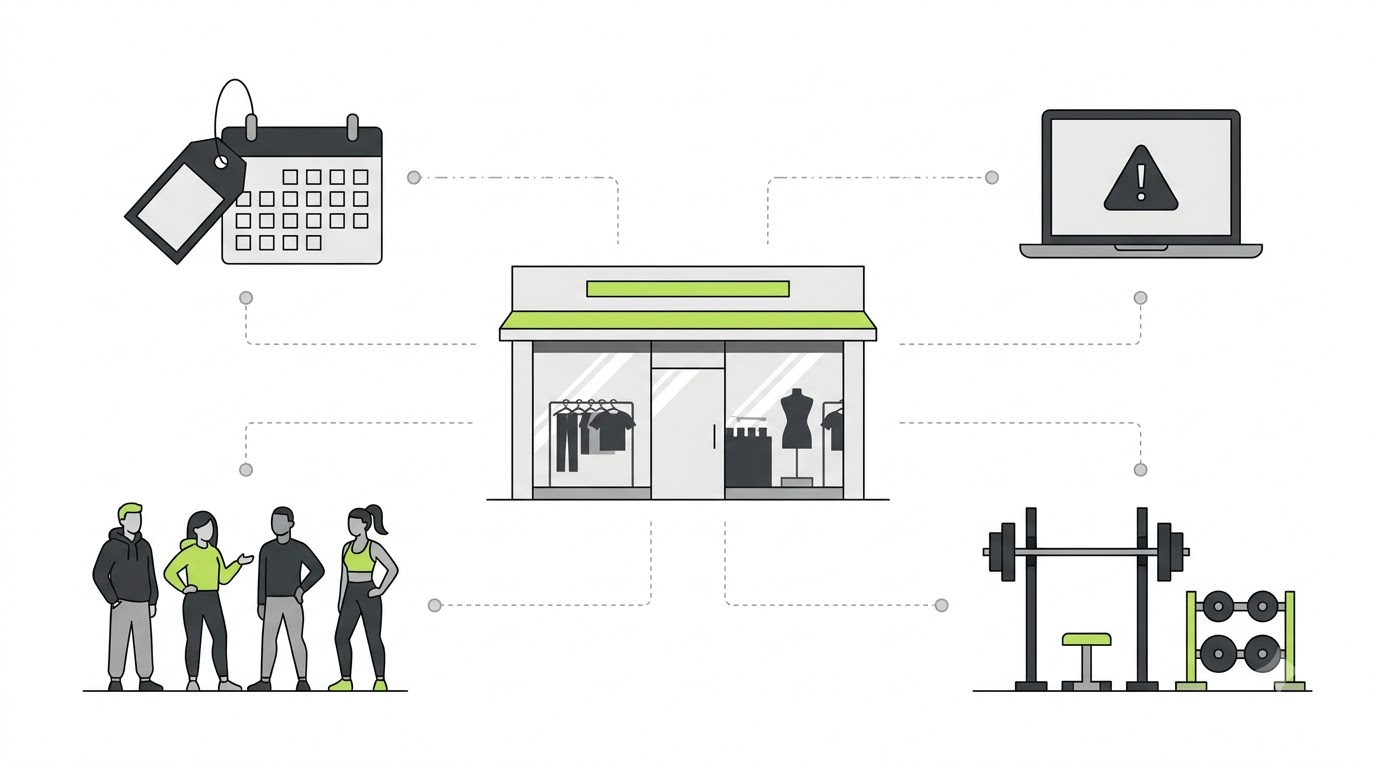
Social media brought attention, but attention does not run a business. This section covers the other decisions that made the growth stick: how Gymshark handled sales, how it recovered from public mistakes, how it built real-world spaces and how it grew its team.
Two Sales a Year, Not Twenty
Gymshark is known for running very few sales. Its main moments are its birthday sale in the summer and Black Friday. Between those, prices stay fairly steady. That sounds boring, but it is a clever way to train customers.
When a brand discounts constantly, customers learn to wait. When a brand discounts twice a year, customers learn to prepare. Fans start watching, sharing and planning ahead. The 2020 Black Friday teaser reportedly drove a jump of more than 10,000 new followers in a single day. The restraint is the strategy: scarcity makes the event feel like an event.
The Black Friday Crash and What It Taught Them
Black Friday 2015 is the painful chapter. The website went down under the traffic, and by one estimate the loss was around £140,000. Several accounts say the outage dragged on for hours, and some retail write-ups also mention another long outage on a later Black Friday. Either way, the team was clearly growing faster than its infrastructure.
What stands out is how Ben handled it. Reports say he apologised publicly, and the story most often told is that he personally wrote out thousands of apology notes with discount codes. That detail is repeated widely, though sources vary on the number, so treat it as the story rather than a hard statistic. The practical lesson stands: when your marketing works better than your tech, customers feel it first. Test your site before the traffic arrives.
Building Real Places for an Online Brand
Gymshark was online-first, but it did not stay online-only. In 2019 it opened the Gymshark Lifting Club, a gym and innovation space on the same site as its Solihull headquarters. That year it also launched a fitness app and opened an office in Hong Kong. Later came the Regent Street store in London, with the opening reported around December 2021.
Why bother with physical spaces if the money came from clicks? Because a store is a billboard that people walk into. It lets fans touch the product, meet staff and take photos, which then go back onto social media. The physical space feeds the online engine. For a small business this does not mean renting a shop. It can mean a pop-up table at a local event or a meetup run with a creator.
Founder Voice and Staying Visible
Ben Francis stayed visible. He posted on YouTube and Instagram, talked about the business openly and became something of an influencer inside his own company. That gave the brand a human face when it got big.
There was also a leadership wobble worth mentioning. Ben stepped back from the CEO role for a period, with Steve Hewitt taking over, and then returned as CEO in August 2021. Whatever the internal reasons were, the pattern is common: founders who built the thing from instinct struggle with the shift to managing hundreds of employees. Gymshark got through it, but it was not smooth.
Hiring and Culture Around the Brand
By 2021 the company had around 850 employees, and by 2023 closer to 900. A huge chunk of the culture came from the same place as the customers: young, gym-obsessed people who understood the audience because they were the audience.
That is a quiet advantage. When your team lives the lifestyle you sell, copywriting, product testing and social posts need less translation. A person who trains six days a week knows which sports bra stays put during box jumps. If you are building a small brand, hire people who actually use the product, even part-time. Their instincts are worth more than a pile of audience personas.
Lessons From How Gymshark Grew to £300M You Can Copy on a Small Budget
Not everyone has a garage, a decade and a lifting community. But the underlying moves scale down surprisingly well. This section turns the case study into practical steps, with a rough 90-day plan, a list of mistakes to dodge and a few simple numbers to track.
Start With Your Own Niche Heroes
Pick the five people your ideal customer already watches. Not the biggest names, the right names. If you sell vegan baking products, that is not a celebrity chef with 3 million followers. It is the home baker with 8,000 followers who answers every comment.
Follow them for a few weeks. Comment honestly on their posts. Learn what they care about. Then reach out with a short, human message. The goal is a real relationship, not a transaction. If you want to understand how to plan this kind of channel work as a beginner, the digital marketing learning hub is a decent place to start before spending money.
Send Product First and Ask for Honesty
Give creators something useful, free, with no strings except an honest opinion. Do not script them. Do not demand five posts. Let them try it. If they love it, they will say so, and if they do not, you learn something before wasting a bigger budget.
What happens when you do this well? Some will post, some will not, and a few will become real advocates. Track which ones come back for more. Those are your future ambassadors. A common failure is sending twenty parcels and then ghosting everyone. Follow up, say thanks and share their posts. Relationships take attention, not just stock.
Build a Simple 90-Day Plan
Here is a basic version. In the first 30 days, choose five creators and start engaging. In days 31 to 60, send product, collect honest feedback and reshare anything good. In days 61 to 90, convert the best one or two into a proper partnership with a discount code and a clear deal.
Keep a spreadsheet with creator name, platform, date contacted, product sent, response and sales from their code. Nothing fancy. If you want to go deeper on the structure behind this kind of work, the Alpha Marketer Foundation Program covers social media and digital marketing step by step, which is useful when you are learning the craft from scratch.
Avoid the Mistakes Small Brands Make
Mistake one: buying followers or picking creators by follower count alone. A creator with 200,000 followers and no real engagement will move fewer units than a creator with 5,000 loyal fans. Mistake two: copying Gymshark’s look without its substance. Black-and-gold aesthetics do not matter if the product is average.
Mistake three: scaling before the basics work. If your checkout is slow, your sizes are inconsistent or your delivery times drift, a flood of new customers just creates a flood of complaints. Gymshark learned this on Black Friday. Fix the boring parts first. Another one: treating creators as disposable. Creators talk to each other, and a bad reputation travels fast.
Measure What Actually Matters
Track a few numbers and ignore the rest. Discount code sales per creator, cost per customer from each channel, repeat purchase rate and how many customers say “I saw you on [creator]” at checkout. A simple “how did you hear about us?” question on the order page is surprisingly useful.
For email, a list you own protects you if a platform changes its algorithm overnight. Collect addresses early and talk to them regularly. The email marketing section on Academy Of Digital Marketing covers list building basics. And watch engagement quality, not just totals. Ten thoughtful comments beat a thousand silent likes.
Conclusion
How Gymshark grew to £300M comes down to a pattern that is simple to describe and hard to do for years: find people your customers already trust, give them real value, let them shape the brand and keep the community at the centre. Social media made it visible, but community made it last. Skip the shortcuts and the money-first thinking.
Your next step is small. Open a spreadsheet, list five creators your ideal customer watches, and send one honest message to one of them this week. Not a pitch. A real message from a real fan.
Frequently Asked Questions
How did Gymshark grow so fast?
Gymshark grew quickly by partnering early with fitness YouTubers and bodybuilders who already had loyal audiences, such as Lex Griffin and Nikki Blackketter. It sent them clothing, built real relationships and later turned them into paid athletes. Instagram, YouTube and TikTok then spread the content, while a small number of big sales created urgency.
Who founded Gymshark and when?
Gymshark was founded in 2012 by Ben Francis and his school friend Lewis Morgan, both around 19 or 20 and studying at university. It started with drop-shipped supplements before moving into making its own gym clothing in 2013. Ben Francis remains the founder and CEO, and Lewis Morgan sold his stake in 2020.
How much revenue did Gymshark make?
Gymshark reported about £176M in revenue for the year to July 2019 and £260.7M for the year to July 2020. The following year passed £400M, with sources quoting slightly different figures. Revenue reached £556.2M in the year to July 2023. The £300M mark was passed during that fast-growth stretch.
Who were Gymshark’s first influencers?
The first well-known partners were YouTubers Lex Griffin and Nikki Blackketter, followed by athletes such as Chris Lavado and Whitney Simmons. These creators were chosen because they were already respected in the fitness community. Their audiences were exactly the customers Gymshark wanted, which is why the partnerships worked so well.
Does Gymshark pay its influencers?
Gymshark started by sending free clothing, then moved to paid athlete deals for creators who performed well and fit the brand. The athlete programme is invite-only. Beyond the main roster, many smaller creators use discount codes and affiliate links, so some earn through commission rather than a fixed fee.
Which social media platform did Gymshark use most?
Gymshark leaned heavily on Instagram and YouTube in the early years, then expanded onto TikTok as it grew. YouTube built trust through long videos by trusted creators, Instagram showed products in real gym settings, and TikTok reached a younger audience with faster, more casual content. Each platform had a different job.
What is the Gymshark66 challenge?
Gymshark66 is a community challenge built around the idea that forming a habit takes about 66 days. Participants commit to training, share progress and use a hashtag, and the brand supports them with content and community features. It has run more than once, and it helped Gymshark build engagement beyond simple product promotion.
Why does Gymshark only run two sales a year?
Gymshark mainly runs a birthday sale and a Black Friday sale. Fewer sales train customers to prepare and pay attention instead of waiting for constant discounts. The scarcity makes each event feel like a moment, encourages sharing, and protects the brand from looking cheap or desperate the rest of the year.
What happened with the Gymshark Black Friday website crash?
In 2015 the Gymshark website went down during Black Friday because of heavy traffic, with one estimate putting the loss near £140,000. Accounts differ on the exact length of the outage and the number of apology messages sent. The takeaway is that marketing success can outrun technical readiness, so test your site before big sales.
Who owns Gymshark now?
Ben Francis owns the majority of Gymshark, with roughly 70% after 2020. US investment firm General Atlantic bought a 21% stake in August 2020, valuing the company at over £1 billion. Ownership details can change, so it is worth checking recent news if you need current information.
Can a small brand copy the Gymshark strategy?
Yes, but at a smaller scale. Start with a handful of micro-creators your customers already follow, send product, ask for honest feedback and build real relationships. Add a clear discount code to track sales, and reshare good content. The method scales down well because it depends on trust and consistency, not a big budget.
Is influencer marketing still worth it compared with paid ads?
For many brands, yes, especially when creators have a loyal audience. Creator content tends to feel more believable than a brand ad, and it can be reused in paid campaigns. The best results usually come from combining both: test content organically with creators first, then put ad spend behind the posts that already perform.
What lesson from Gymshark matters most for beginners?
Be a customer of your own market. Gymshark began because its founder wanted gear that did not exist and knew the community deeply. If you understand the people you sell to, spend time where they spend time and treat creators as partners, you already have the main ingredient. Tools and tactics can be learned later.